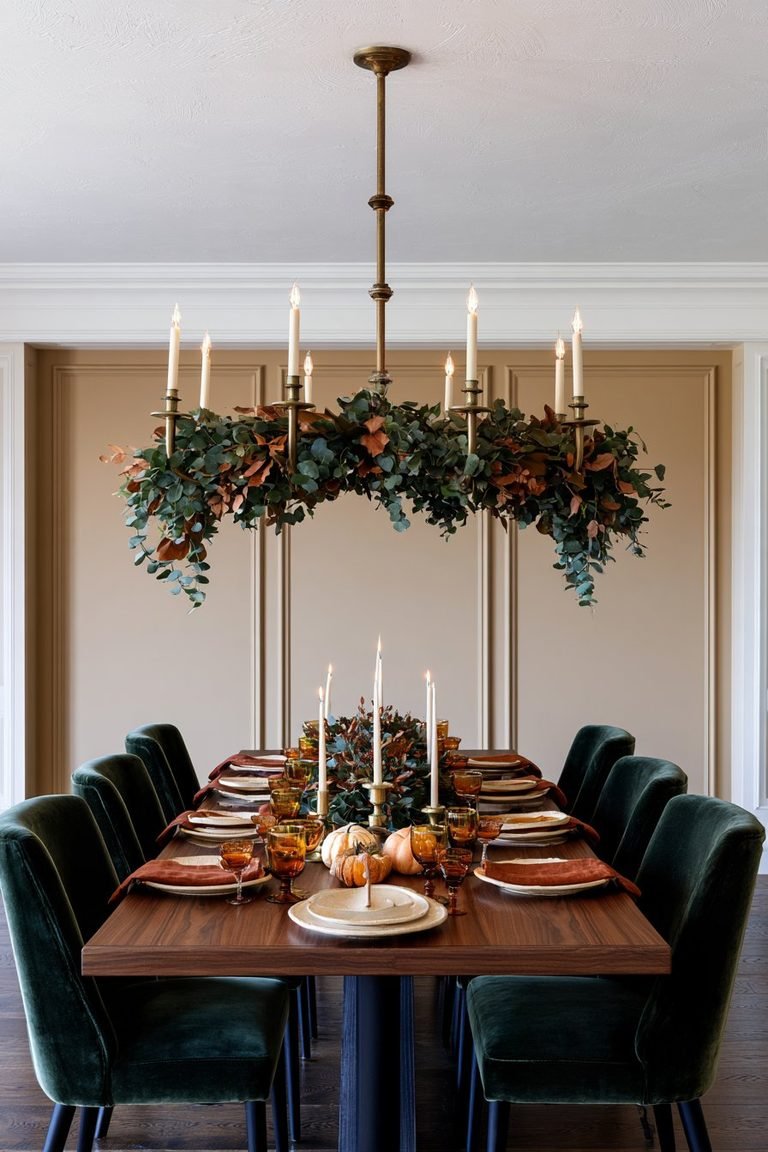
Scandi bedroom ideas center on light, natural materials, and a soft, neutral palette that makes a room feel calm rather than cluttered. The style pulls from Nordic design principles: every piece can serve a purpose, and every texture can add warmth without adding visual noise. Whether the goal is a full renovation or a few swapped-out pieces, these scandi bedroom ideas can help build a space that feels both minimal and inviting.
Start With White Walls
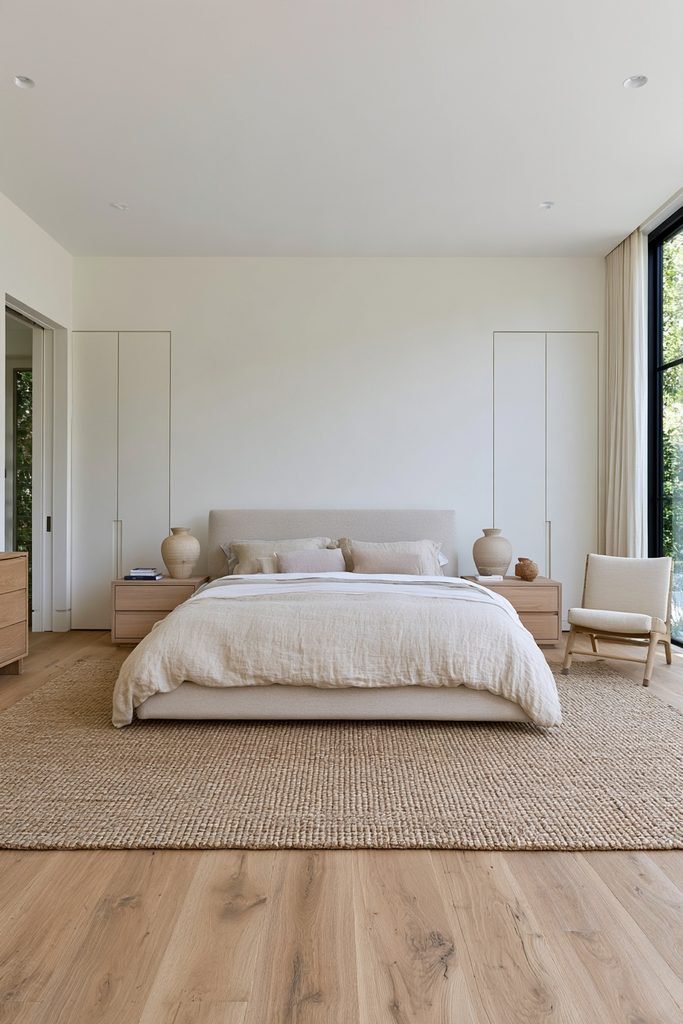
White walls can bounce natural light around a room and create the bright, airy base that Scandinavian design is known for. A true white or a warm off-white can work well over stark cool white, which can feel clinical in a bedroom setting, according to The Modern Dane.
Layer In Natural Wood
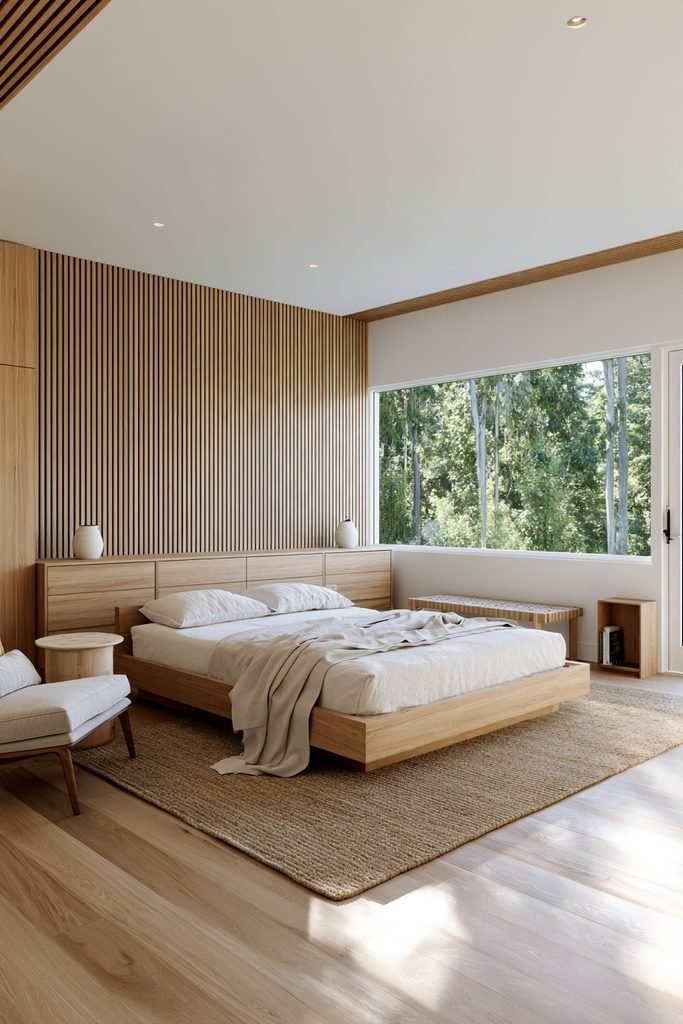
Light wood tones like oak, ash, and pine can ground a white room without weighing it down. A wood bed frame, nightstand, or flooring can bring warmth to the space while keeping the overall look clean and uncluttered.
Choose A Low-Profile Bed
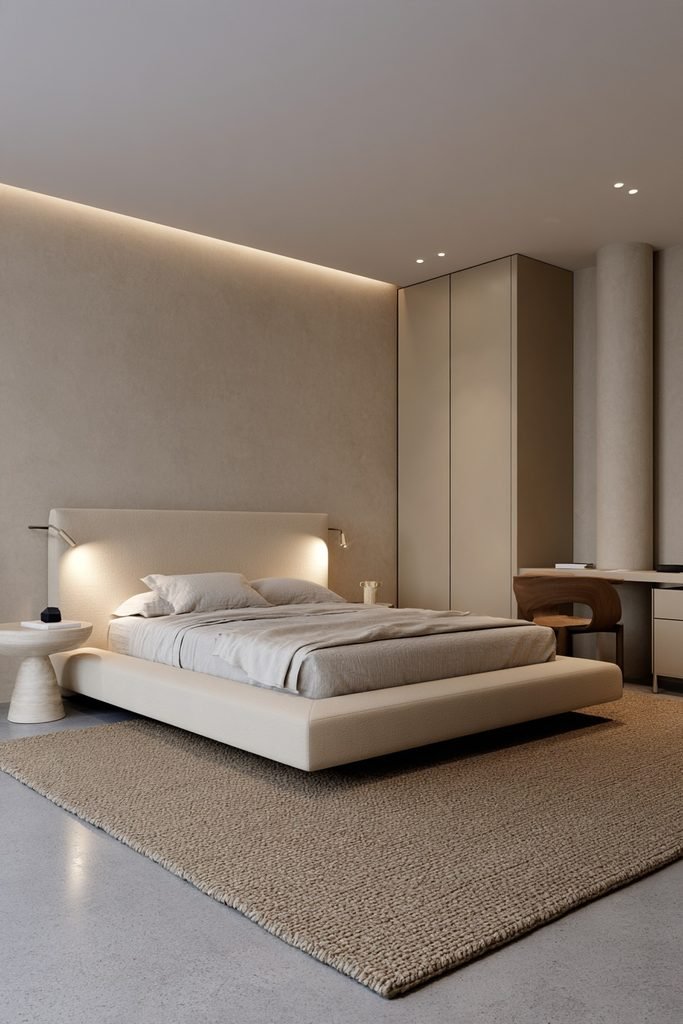
A low, simple bed frame can serve as the visual anchor of a scandi bedroom. BoConcept styles its low-frame Arlington bed with crisp white bedding and neutral pillows, pairing an upholstered headboard with gentle curves for a softer take on the look.
Dress The Bed In Linen
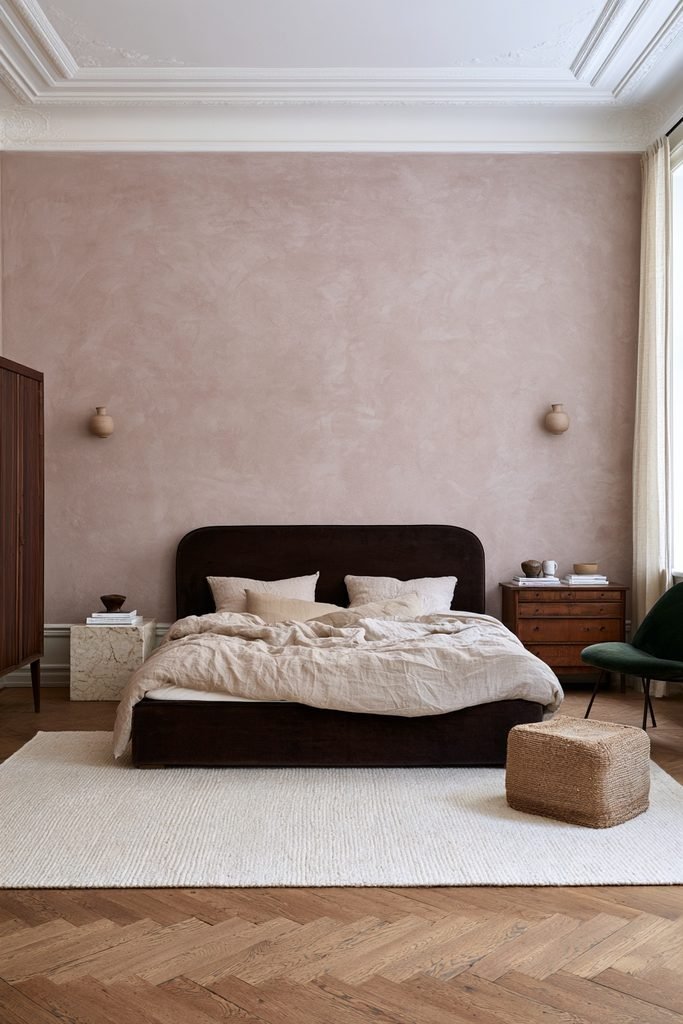
Linen bedding can create a lived-in, textural look that feels distinctly Scandinavian. Pairing linen sheets with a knit throw can add a classic, cozy layer to the bed without introducing pattern or color.
Add A Chunky Knit Throw
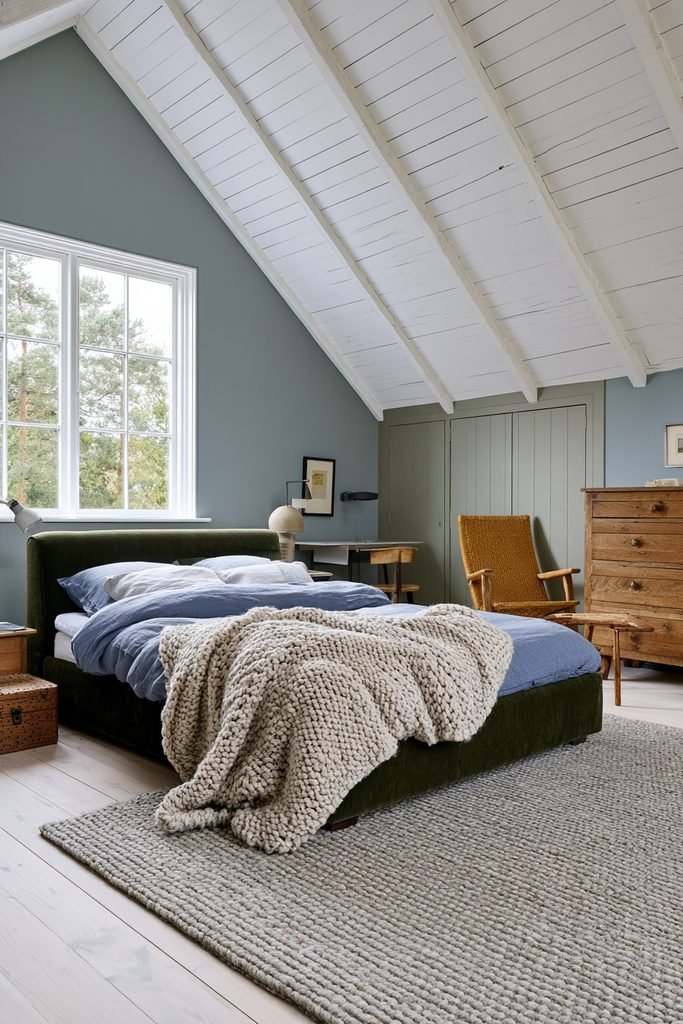
Layering different textures across the bed, rather than relying on color, can build the soft, carefree feel that defines the style. IKEA suggests experimenting with pillows, a comforter, and throws in varying textures to turn the bed into a cocoon-like retreat.
Pick A Sheepskin Rug
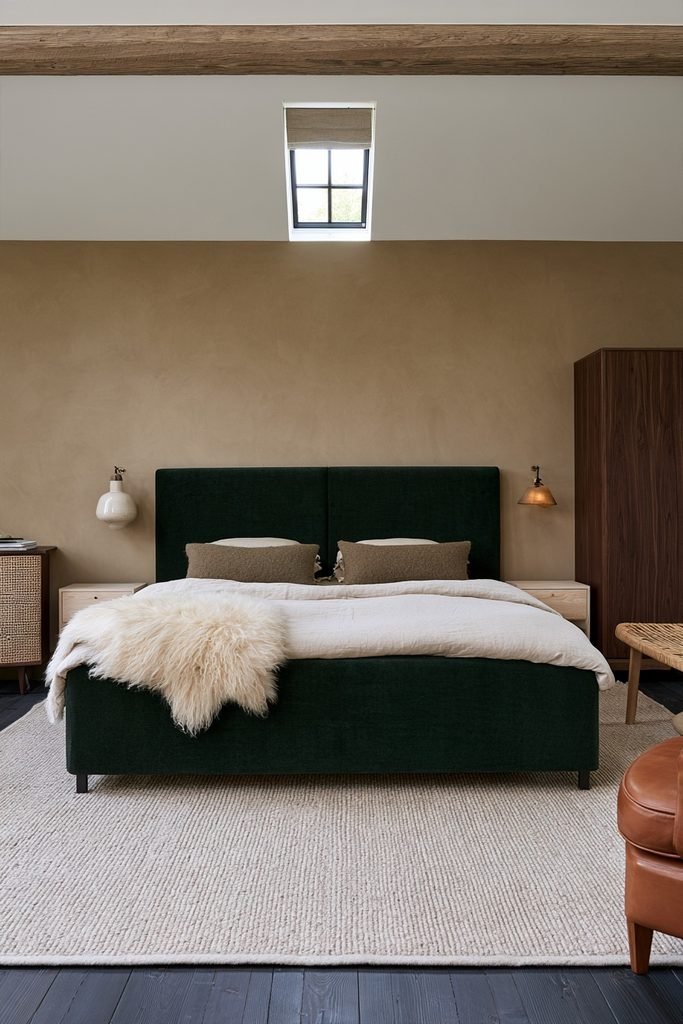
A sheepskin or wool rug at the foot of the bed can add softness underfoot and break up an all-hardwood floor. It can also introduce a natural, tactile element that photographs well against light wood tones.
Warm Up With Wool Textiles
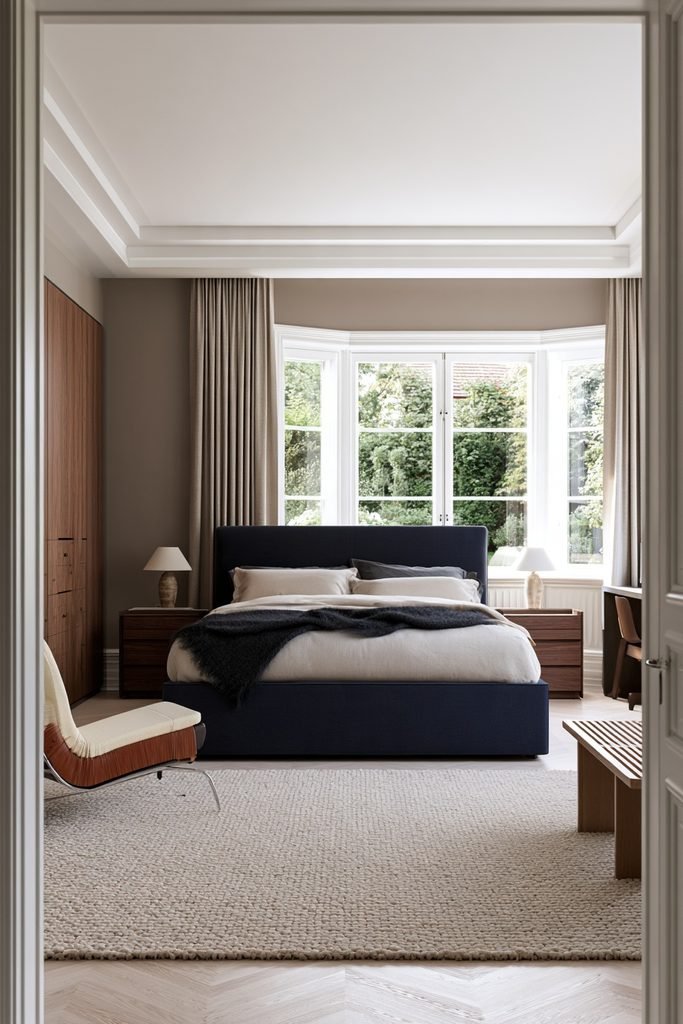
Layering wool, linen, and cotton together can add coziness to a room without disrupting its calm palette. Maija Rasila, an interior architect at Finnish Design Shop, notes in Homes & Gardens that mixing natural material layers alongside a soft, subtle color palette can heighten the sense of calm a room provides.
Keep The Palette Neutral
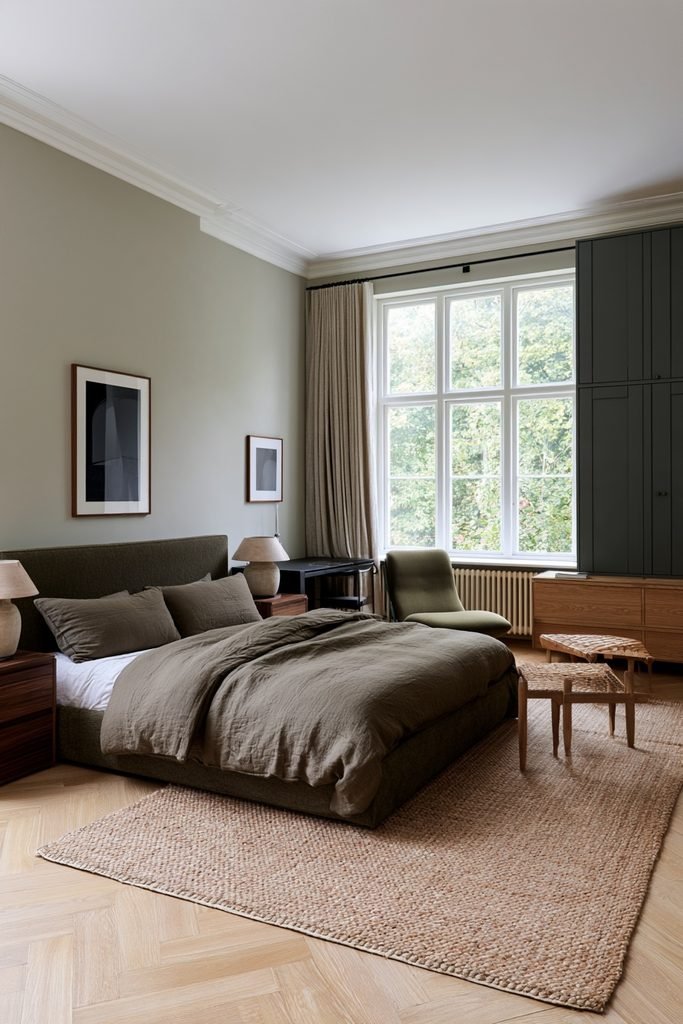
A limited, neutral color palette can make a bedroom feel more spacious and restful. Sabra Ballon of ballonSTUDIO describes Scandinavian bedroom styling, in the same Homes & Gardens feature, as an elegant, casual simplicity, paring a room back to what’s actually needed for sleeping and reading.
Add Muted Sage Accents
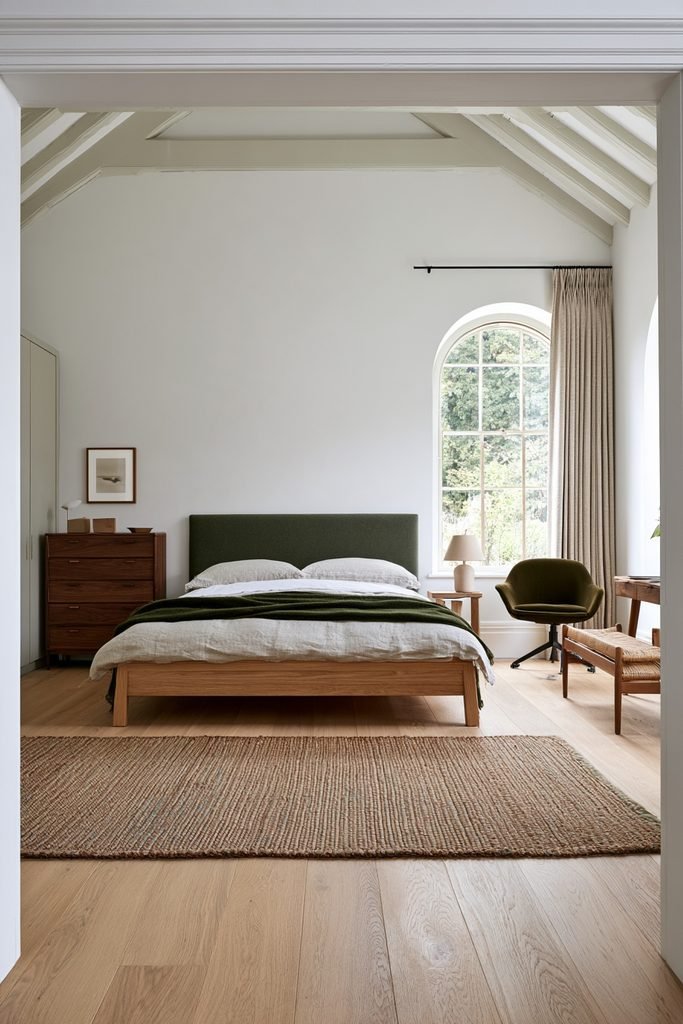
A muted sage green can bring in color without disrupting the room’s calm, neutral base. Sage can work well on an accent wall, in bedding, or through a single upholstered chair, an approach Real Homes points to as a way to add color while staying within a muted, Scandi-friendly range.
Try Pastel Pink Touches
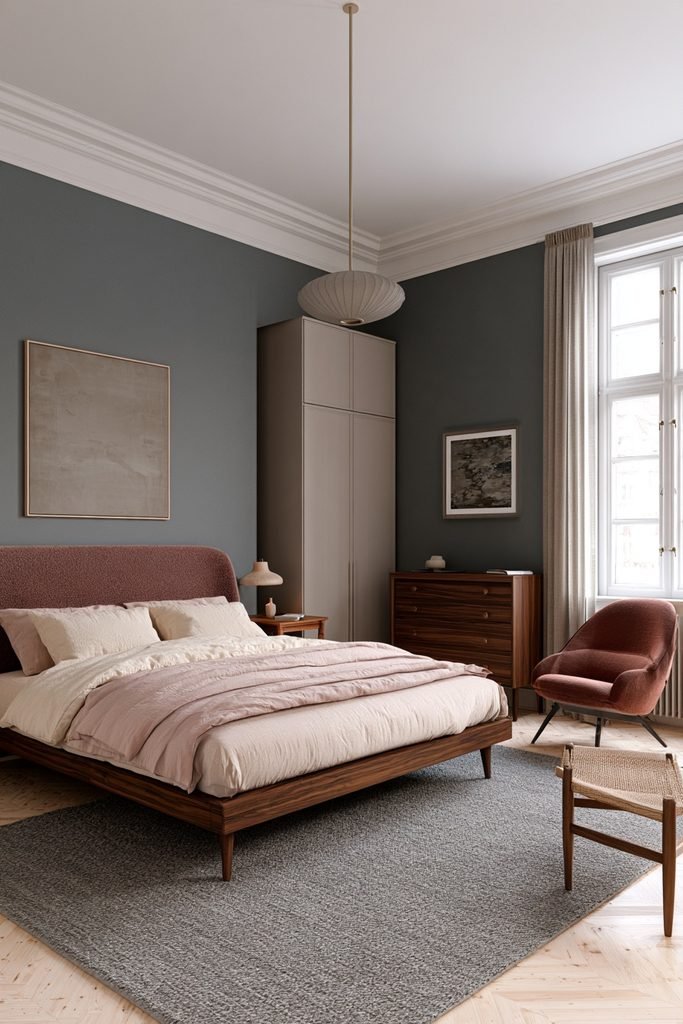
Soft pastel pink is another go-to color in Scandi interiors, especially layered over a white bedding base. AllModern recommends starting with crisp white sheets before adding pastel pillow shams, which can keep the overall effect subtle rather than sweet.
Hang Sheer White Curtains
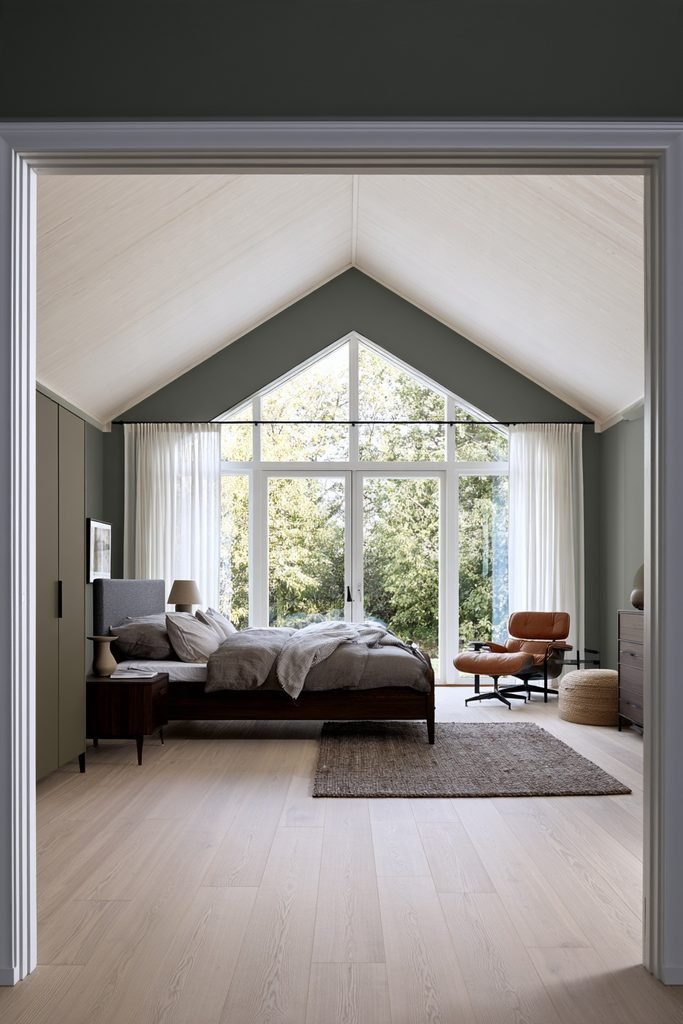
Sheer white or light linen curtain panels can filter daylight instead of blocking it, which supports the airy quality central to the style. Skipping heavy drapes in favor of sheers can also make a small bedroom window feel larger.
Maximize Natural Light
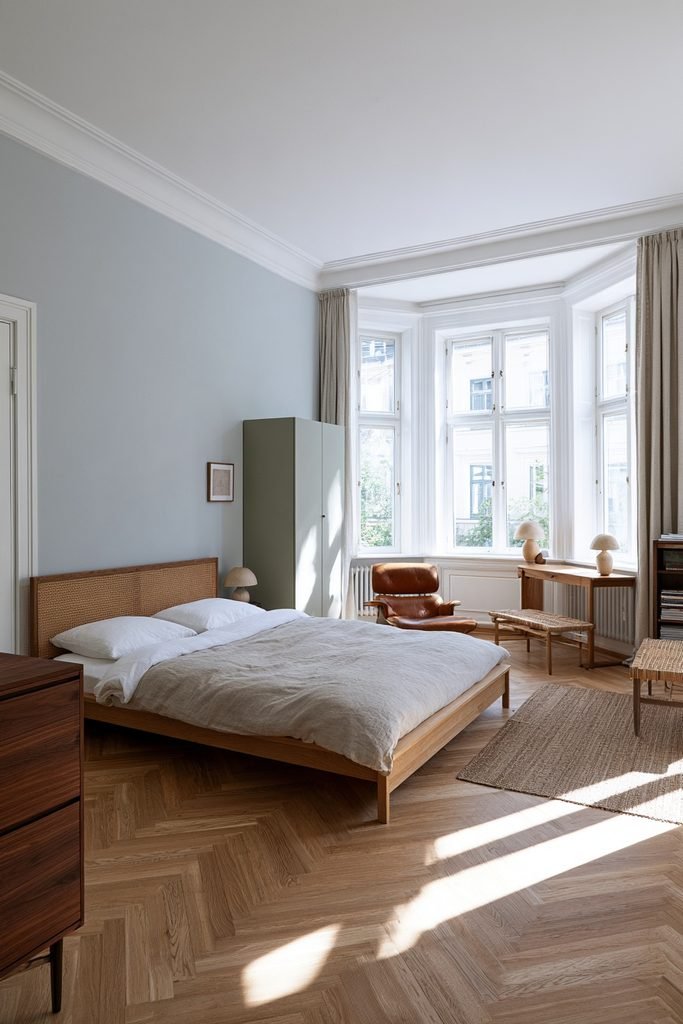
Positioning a bed and furniture to take full advantage of a window’s daylight can support both the mood and function of a Scandinavian bedroom. HomesWaves notes that white walls and light wood floors can reflect light throughout a space, particularly useful during darker winter months.
Layer Warm Lighting
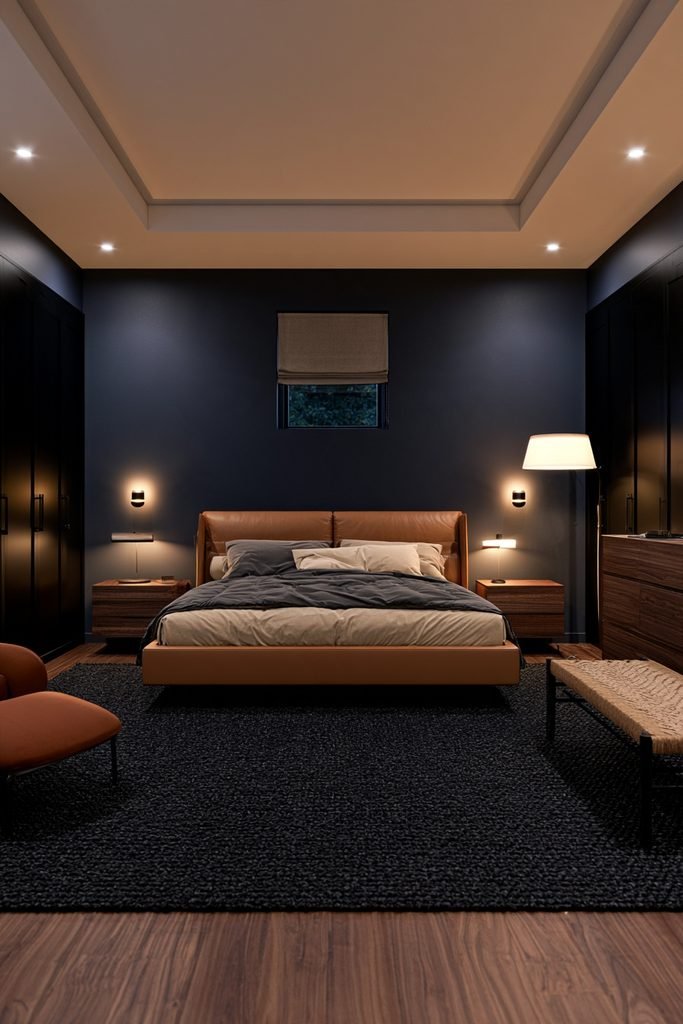
Layered, warm-toned lighting can replace a single overhead fixture to create a softer evening atmosphere. The Modern Dane recommends five to seven light sources per room at varying heights, all in the same warm white temperature, to build that layered glow.
Add A Floor Lamp
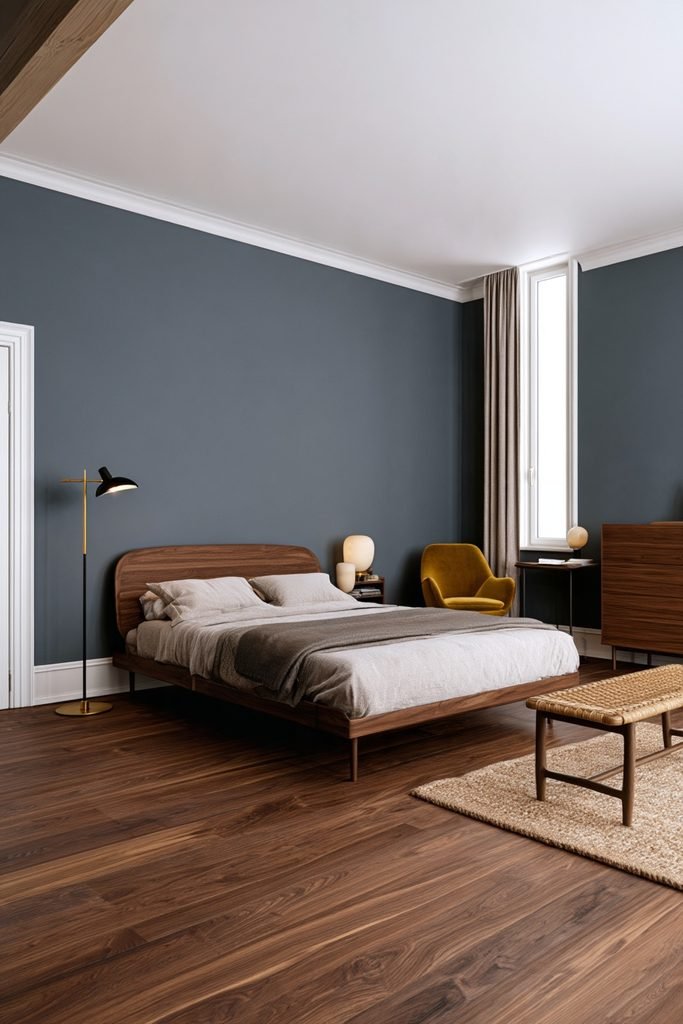
A floor lamp in a simple, mid-century silhouette can fill a dark corner without taking up nightstand space. It can also serve as a secondary reading light near a chair or bench.
Build In Underbed Storage
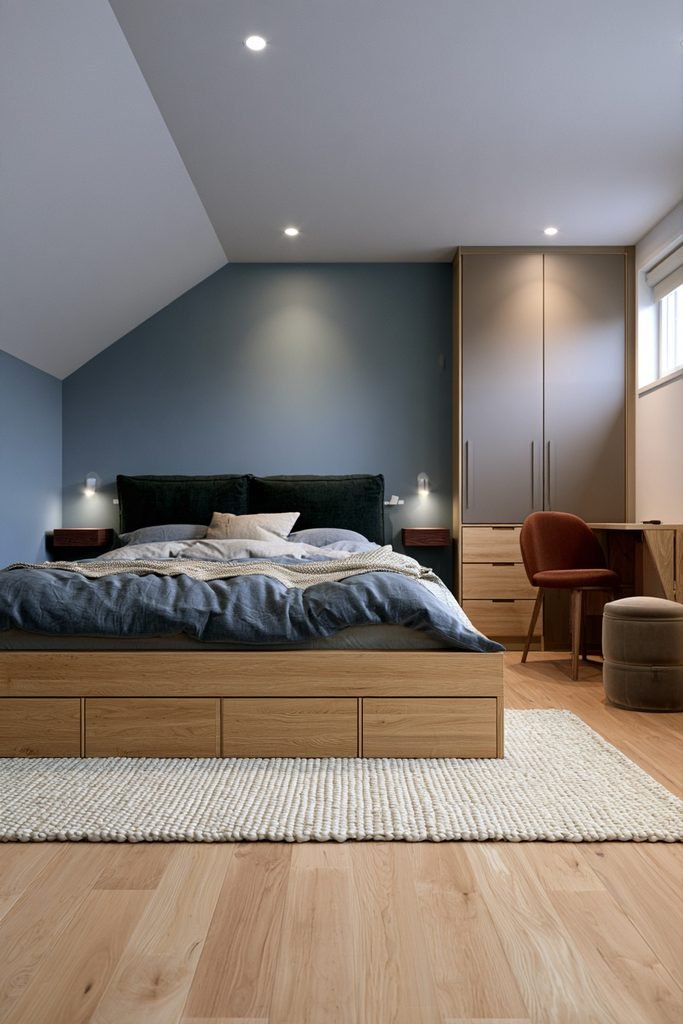
A bed frame with integrated drawers can add functional storage without requiring extra furniture. This can be especially useful in a smaller bedroom, where a separate dresser might otherwise crowd the room.
Add Floating Shelves
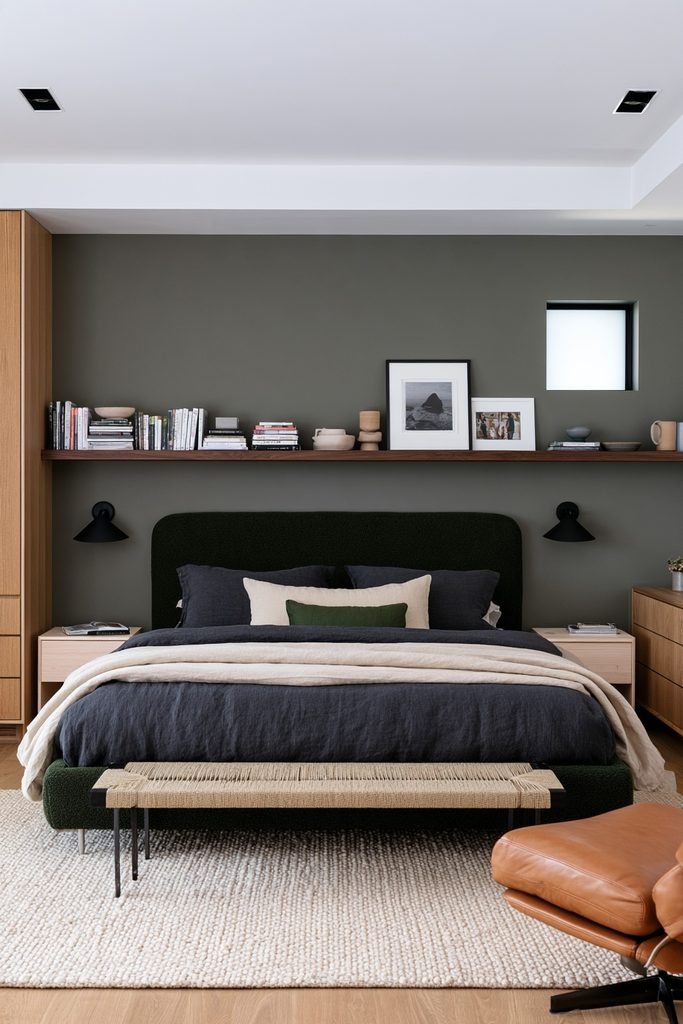
Floating shelves can offer display and storage space without the visual bulk of a full bookcase. OneKindDesign suggests using them to showcase books and personal accessories while keeping the floor plan open.
Keep Surfaces Clutter-Free
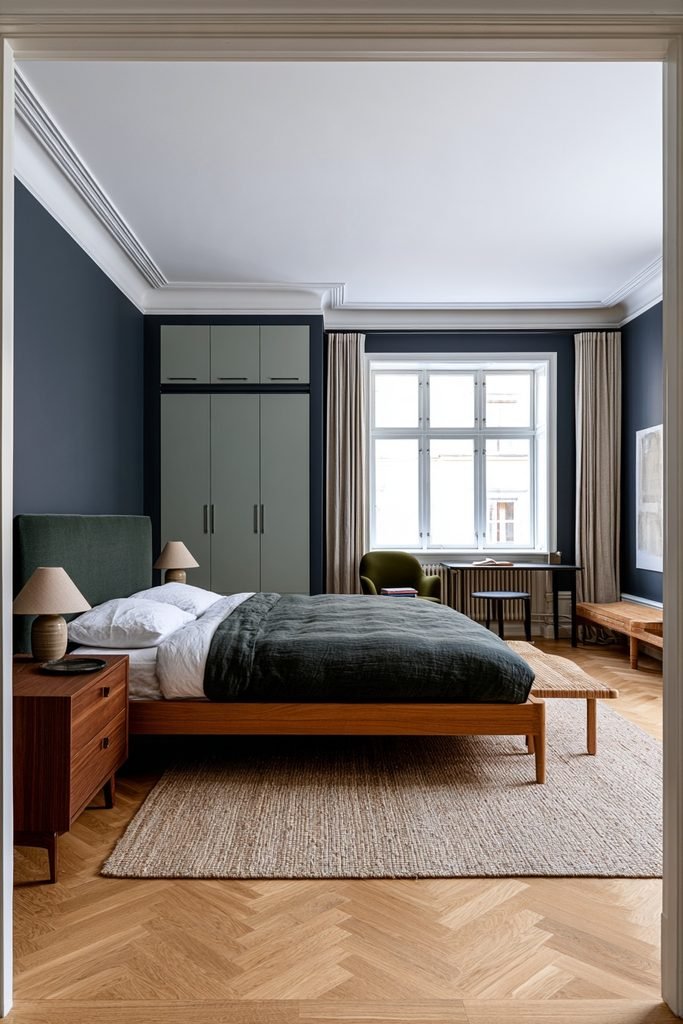
Clearing nightstands and dressers down to just a few chosen objects can reinforce the room’s sense of calm. A single lamp, a small tray, and one or two personal items can be enough to keep surfaces feeling intentional rather than empty.
Bring In One Statement Plant
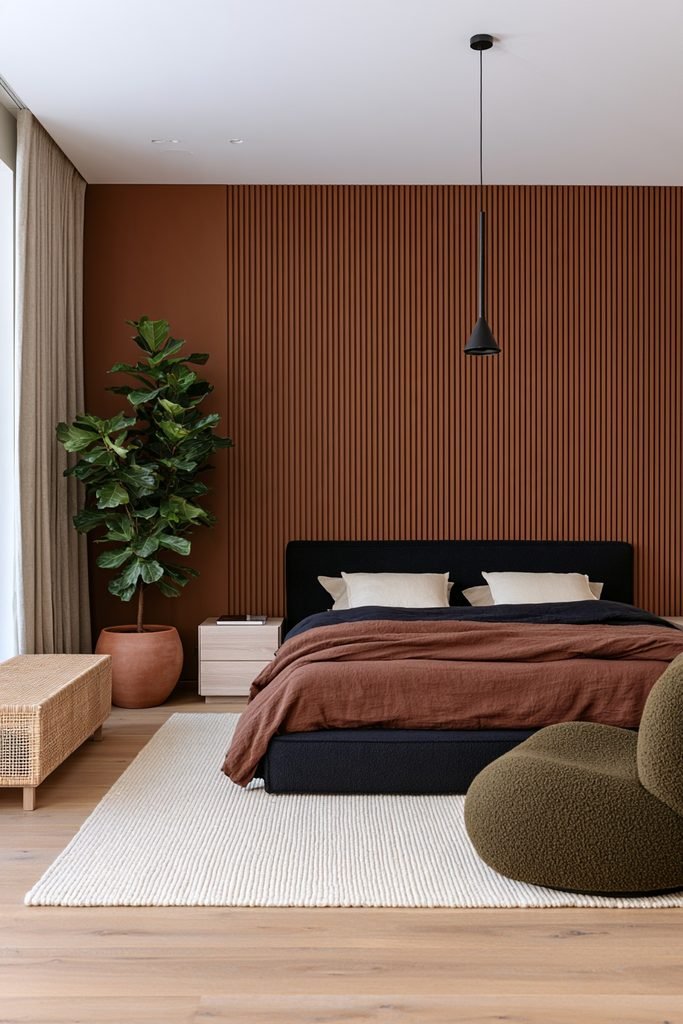
A single well-placed plant can bring life into a minimalist bedroom without cluttering it. A large fiddle leaf fig in a corner or a small pothos on a nightstand can add a natural element in keeping with the style’s connection to nature, an idea House Digest highlights as core to the Scandinavian aesthetic.
Try A Wood-Paneled Wall
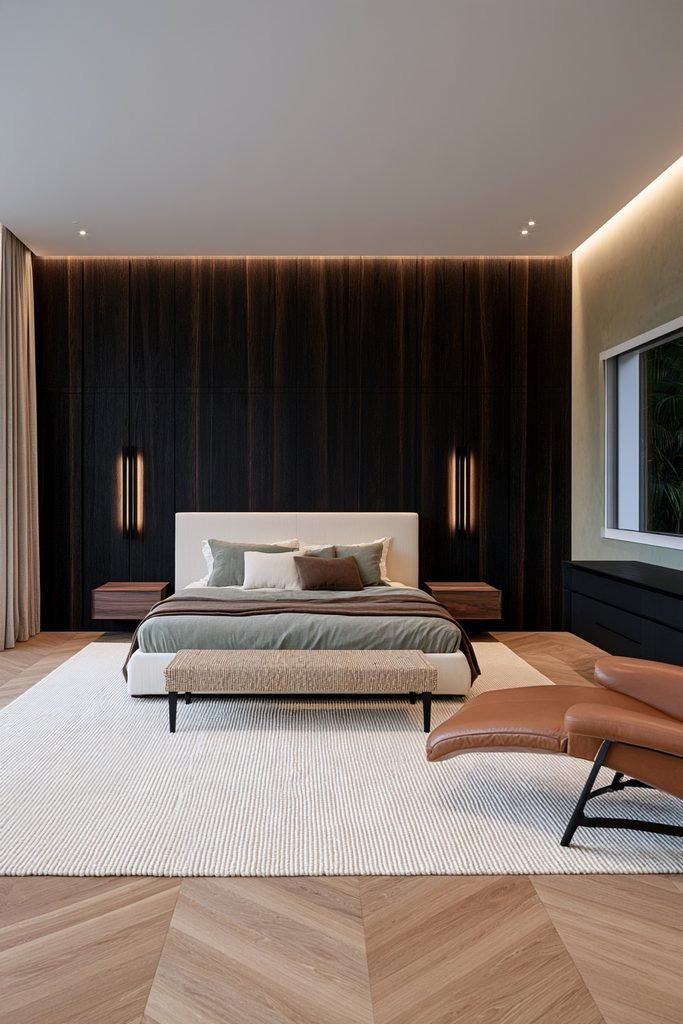
A wood-paneled accent wall can add a rustic touch to an otherwise minimalist room. OneKindDesign notes that paneling can also double as a way to conceal cables or pipes while creating a uniform look across a wall and built-in wardrobes.
Place A Bench At The Foot Of The Bed
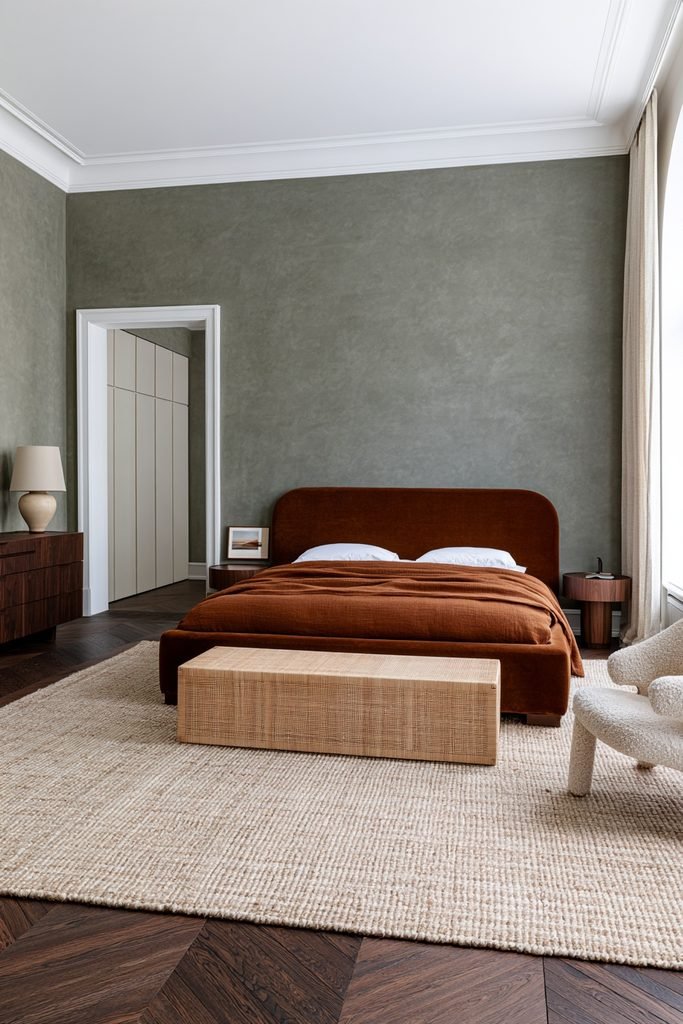
A bench at the end of the bed can offer a spot to set cushions at night and extra seating by day. IKEA points to a woven storage bench as a way to combine that function with a warm, natural texture.
Add Abstract Wall Art
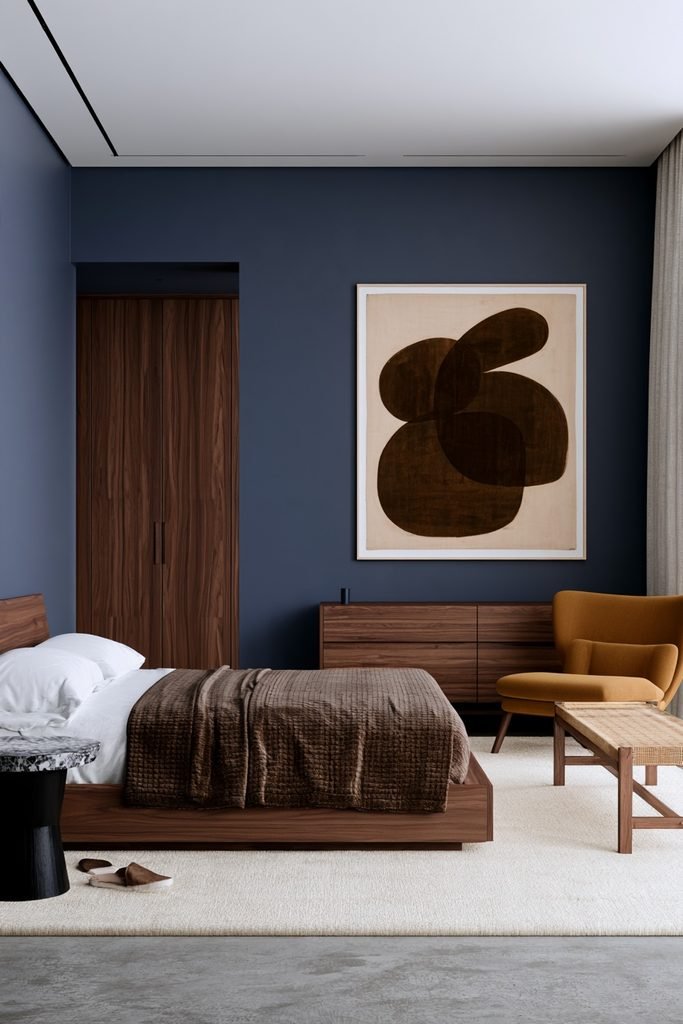
Simple, abstract art can fill wall space without overwhelming a minimalist room. AllModern suggests a single large abstract print in black and white or muted tones above the headboard, which can add interest while staying visually quiet.
Choose A Mid-Century Lamp
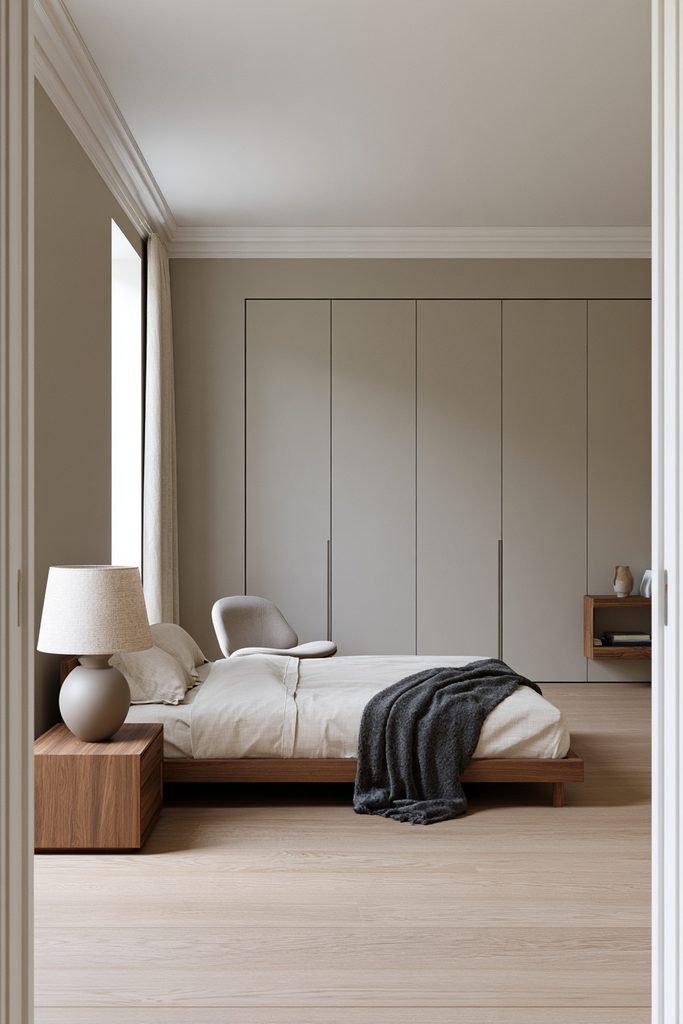
A mid-century-style table or floor lamp can tie a room’s lighting to the broader Scandinavian design lineage. Pairing a marble or ceramic base with a simple linen shade can add just enough visual weight to ground a soft, pale color scheme, a pairing TheCoolist highlights in one of its favorite bedside corners.
Carve Out A Reading Nook
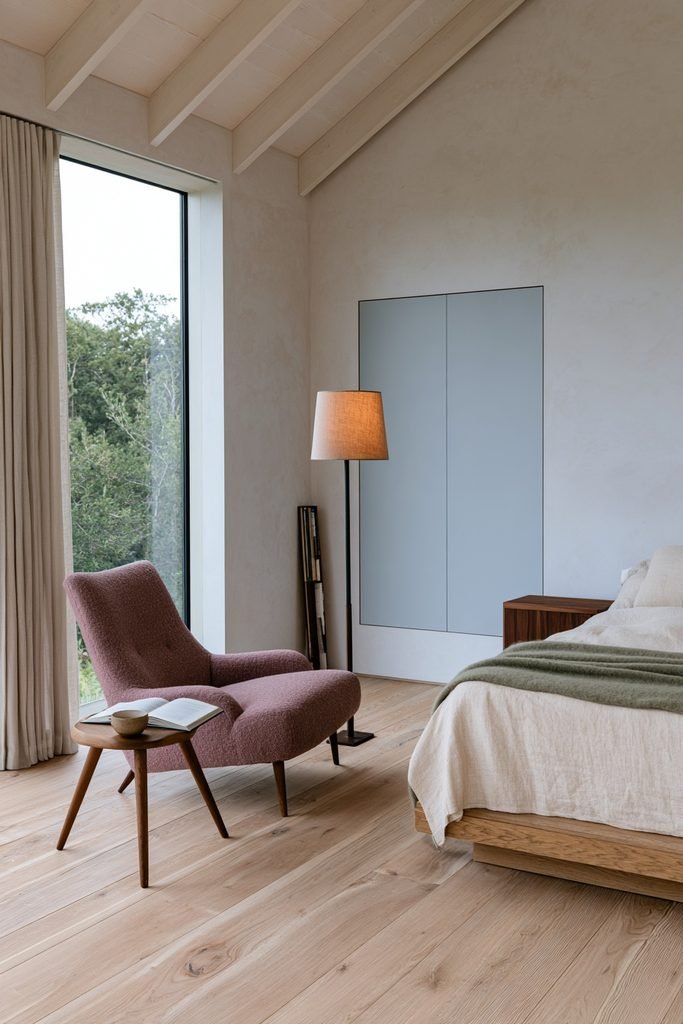
A small chair paired with a floor lamp and a side table can create a reading corner within the bedroom. Positioning it near a window can also take advantage of natural light during the day.
Try Earthy Green Walls
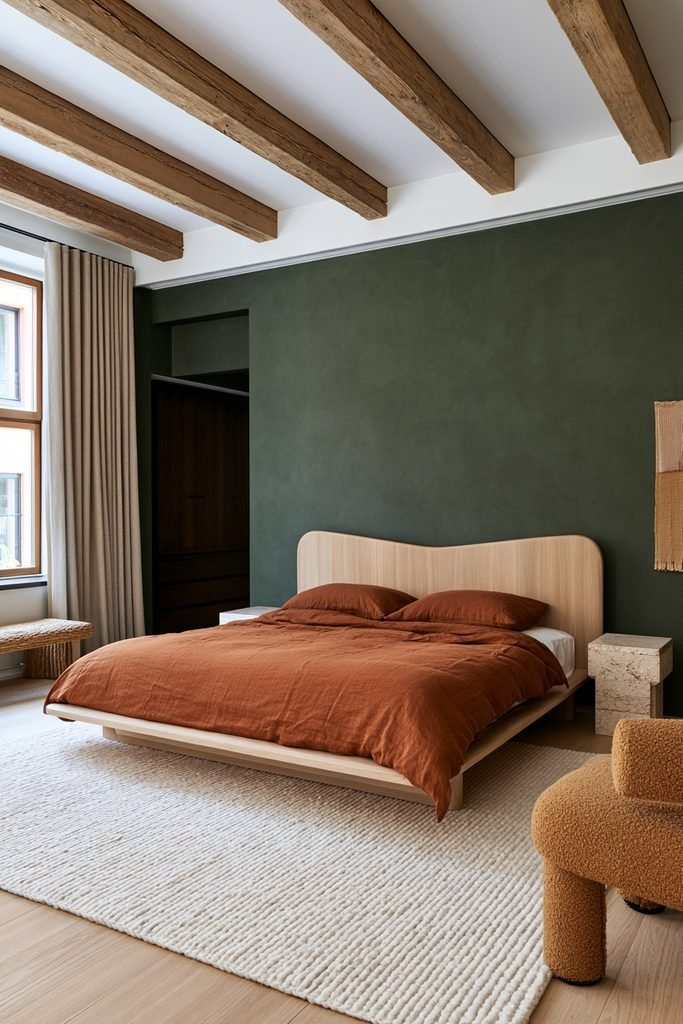
A deeper, muted green can work as a wall color for those wanting more warmth than white alone provides. It can pair naturally with light wood furniture and linen textiles, keeping the room grounded rather than stark.
Frequently Asked Questions
What colors are used in a Scandinavian bedroom?
Scandinavian bedrooms typically rely on white and light neutral colors like gray, along with muted accent colors such as sage green, pale pink, or blush.
What materials define Scandinavian bedroom design?
Light wood tones like oak, ash, and pine are paired with natural textiles including linen, wool, cotton, and sheepskin to build warmth into a minimalist space.
Does a Scandinavian bedroom need to be all white?
No. While white is a common base, muted colors like sage green, dusty pink, and earthy green can be layered in as accents without disrupting the calm, neutral feel.
How many light sources should a Scandinavian bedroom have?
Around five to seven light sources at varying heights, all in a consistent warm white tone, can create the layered lighting typical of the style.